
PDM União das freguesias de Sebal e Belide, Condeixa-a-Nova
In União das freguesias de Sebal e Belide, about 28% of the parish is urban land under the Condeixa-a-Nova PDM. See what you can build, where, and the rural zones with the most reclassification potential.
PDM changes
Every amendment to municipal master plans, straight from the national registry (SNIT). Pick a district, municipality or parish on the map to scope this list; click a row to see it on the map.
| Municipality | District | Change | Publication | Date |
|---|---|---|---|---|
| Loading… | ||||
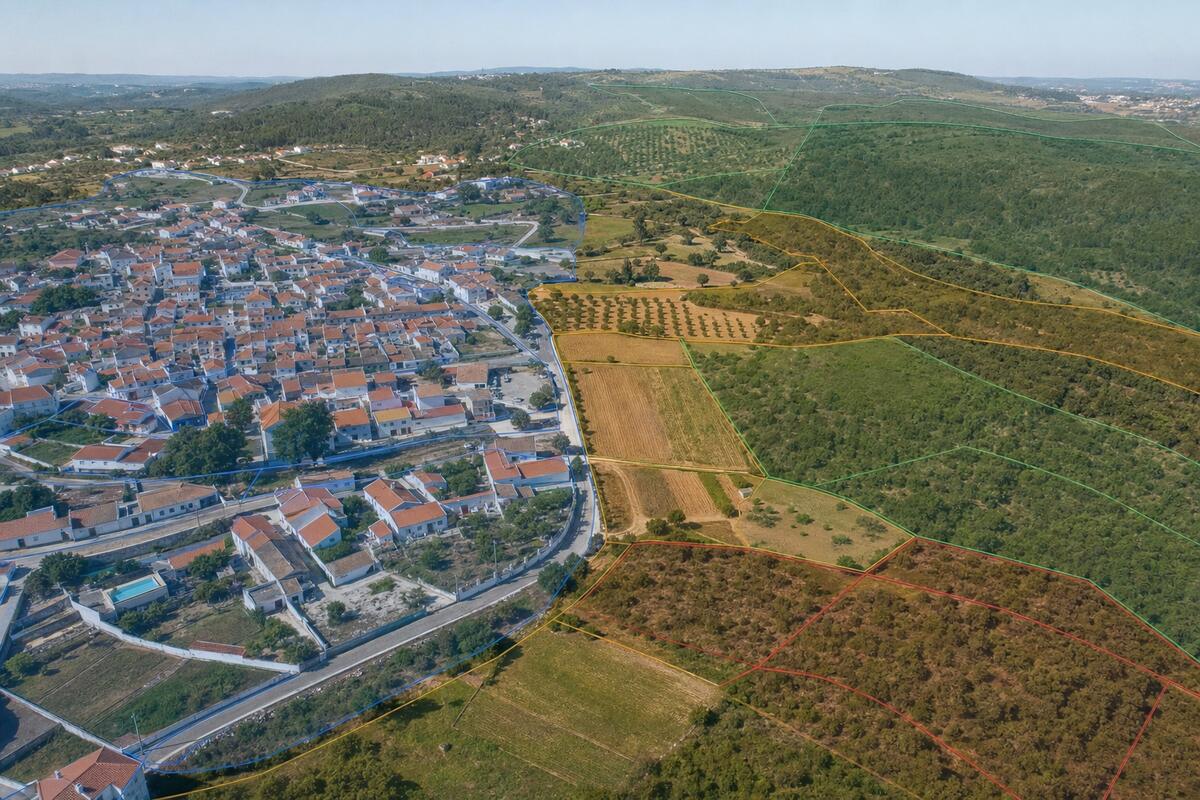
Where can you build in União das freguesias de Sebal e Belide?
In União das freguesias de Sebal e Belide, part of the Condeixa-a-Nova council, about 28% of the parish is classified as urban land under the municipal PDM. That is where construction is generally allowed. The rest is rural land, where building is limited to the plan's exceptions.
A PDM is a municipal plan, so União das freguesias de Sebal e Belide follows the Condeixa-a-Nova PDM and its amendments. For rural plots next to already-urbanised areas, the Lei dos Solos opened the door to reclassification as urban land, and explorador.pt identifies 5 such zones in this parish. Use the zoning map below to locate your plot.
About the parish
- Area
- 13.0 km²
- Municipality
- Condeixa-a-Nova
- District
- Coimbra
- Urban land
- 28% of the mapped area (council average: 11%)
- PDM zones
- 64
- Former parishes
- Sebal, Belide
What this means if you are looking for land or a home in União das freguesias de Sebal e Belide
União das freguesias de Sebal e Belide is a parish of consolidated villages set in a wide rural hinterland in the Condeixa-a-Nova council: about 28% of its 13.0 km² is urban land, above the council average of 11%. New building is generally limited to that urban land, and the PDM splits the parish into 64 zones with their own rules, so check a plot's classification on the map before you commit. The parish merges the former parishes of Sebal and Belide, so a search for any of those names leads here.
Reclassification opportunities
5 rural zones here are scored for reclassification potential.
The ranked list, the map layer, the signals behind each score and the AI evaluation are part of Radar.
See RadarWhat it costs in Condeixa-a-Nova
The PDM says what you may build. The Condeixa-a-Nova market pages say what it costs: median price per m², typology breakdown and the parish comparison.